How children learn at Lillipods
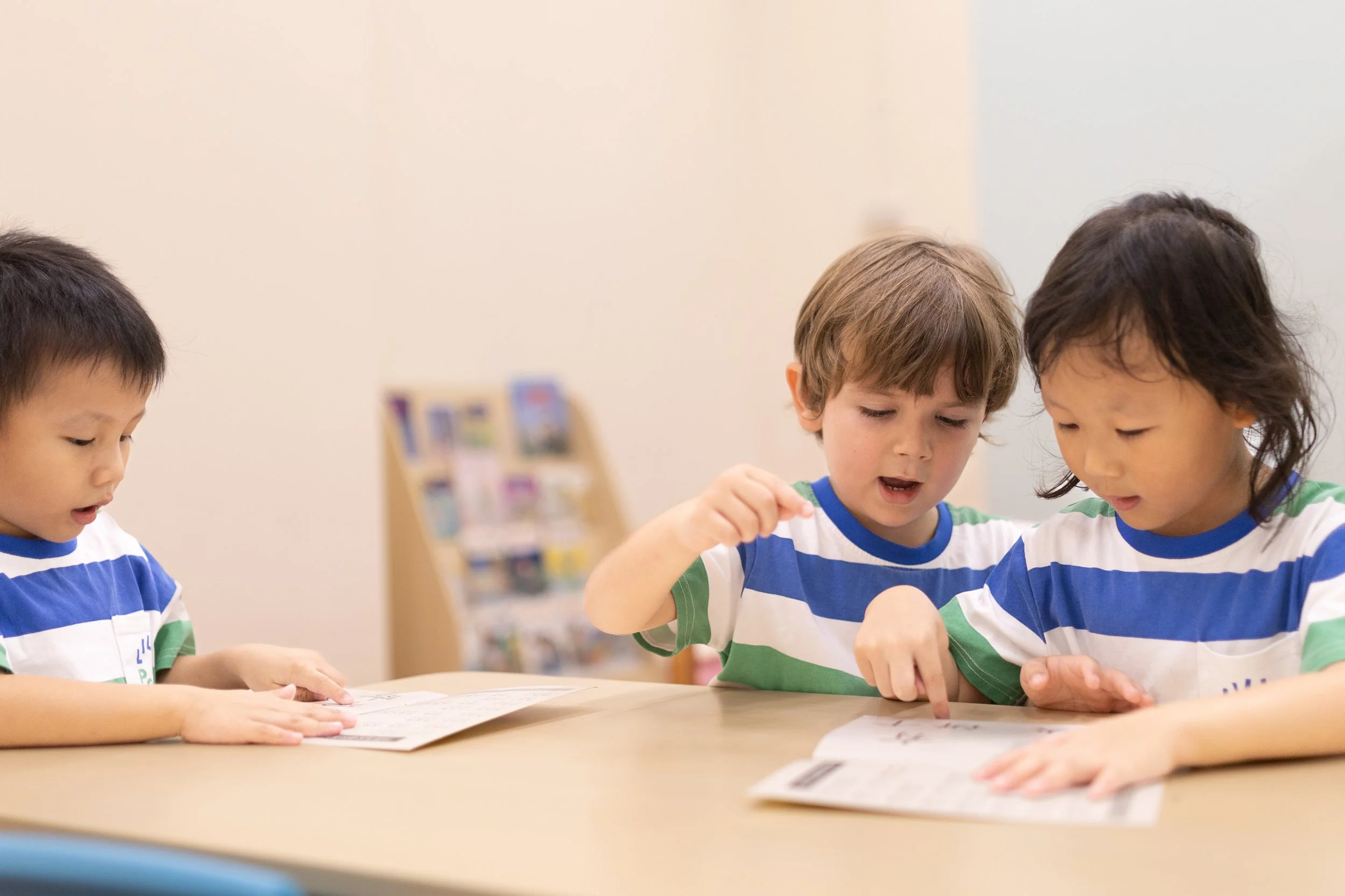
At Lillipods, academic preparation is built into active, enjoyable learning. Children explore ideas through purposeful activities, then deepen understanding through teacher-led lessons, focused practice and written work as they grow.
Our teachers demonstrate, question, observe and guide. They give children time to think, test ideas and explain what they understand, stepping in with support when needed.
As children mature, learning becomes more structured through lessons, literacy and numeracy activities, classroom routines and growing independence.
Everyday moments, meaningful learning
Young children learn best when ideas, skills and languages come together naturally. A cooking activity can involve counting, comparing, new vocabulary and turn-taking; a nature walk can spark observation, questions and description in English or Chinese.
Teachers shape these moments with clear goals, using play, inquiry, shared experiences and guided lessons to help children make connections and deepen understanding
-
Language and Literacy
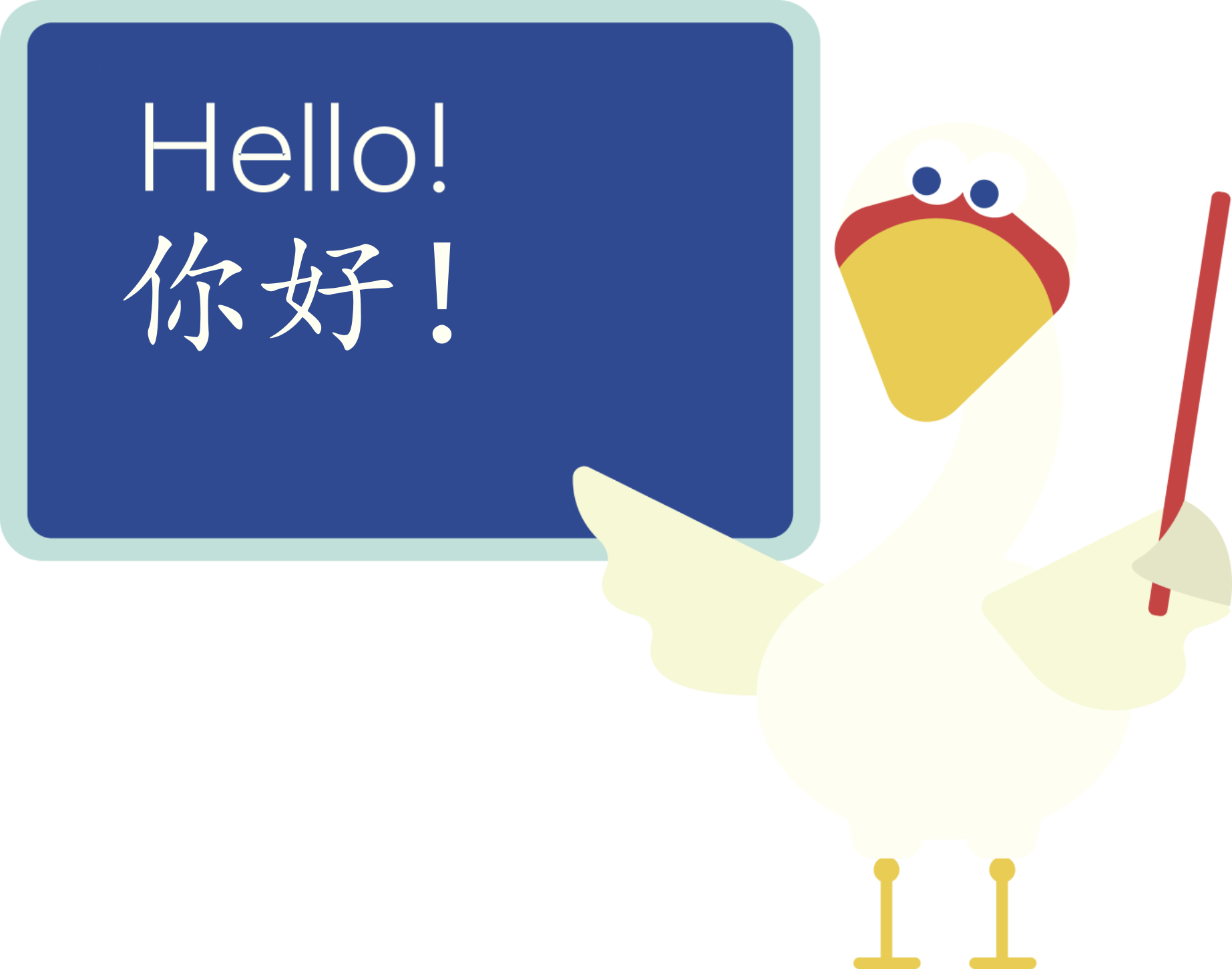
Stories, songs, rhymes, conversations and dramatic play give children many chances to listen to, speak and read new words in English and Chinese.
Teachers help them connect spoken and written language, understand what they hear and read, and express their ideas clearly. As children grow, they move into more focused phonics, reading and writing activities in both languages.
-
Numeracy
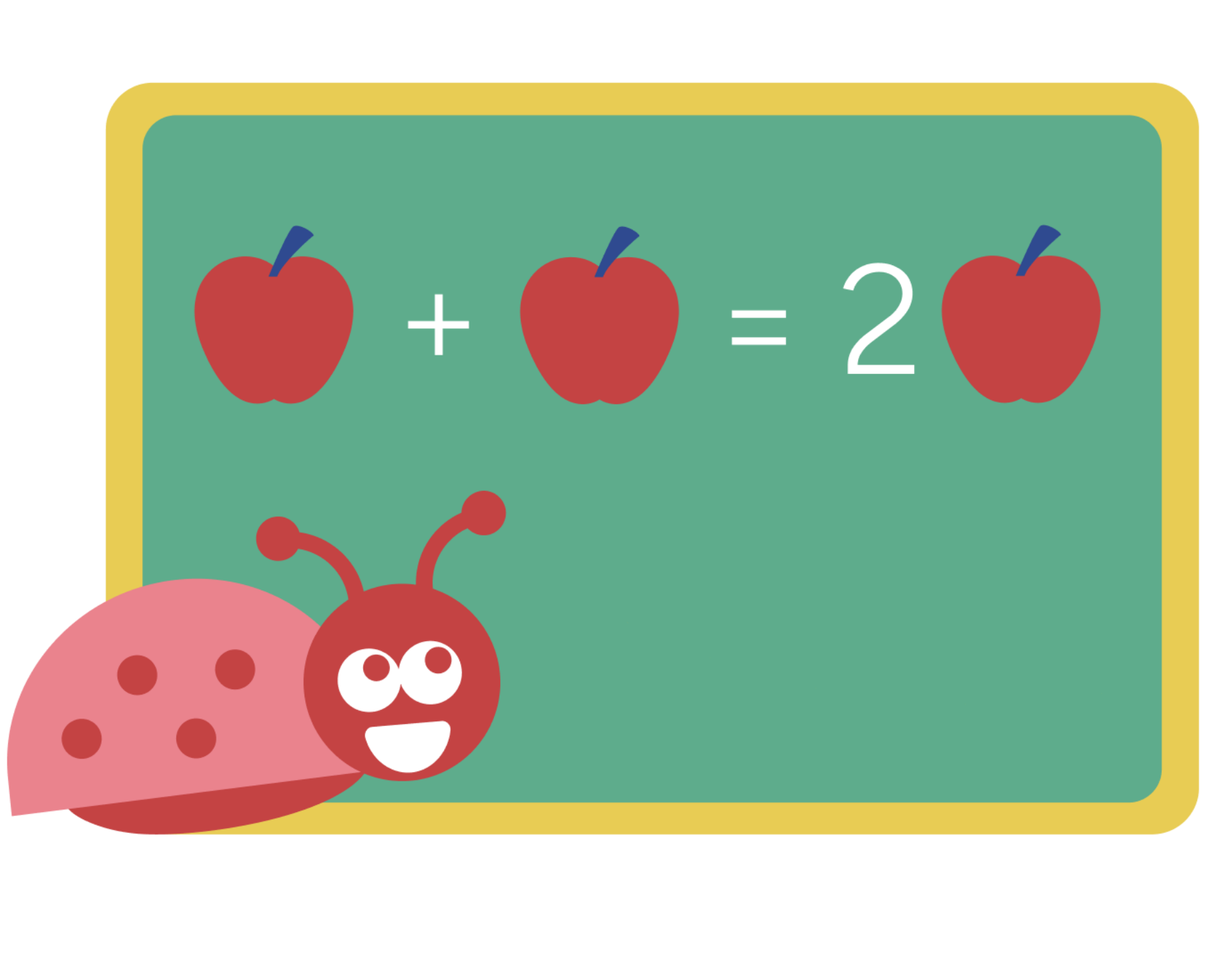
Children explore numbers, shapes, patterns, size and measurement using objects and situations they can see, touch and talk about.
They count objects, sort materials, build patterns, compare amounts, measure ingredients and solve simple puzzles, using English and Chinese to name, compare and explain mathematical ideas.
This helps children understand mathematical ideas, not just remember steps.
-
Science and Environment
Science begins with curiosity about how the world works.
Through nature walks and simple experiments, children observe closely, make predictions and test ideas. They might wonder what plants need to grow, which objects float or how shadows change, then describe their discoveries in English and Chinese.
These experiences build an early understanding of science while helping children care for living things and the environment.

-
Socio-Emotional Skills
Children learn about emotions and relationships through stories, role-play, group activities and daily interactions with their friends.
They practise expressing needs, listening to others, sharing, taking turns and working through disagreements. Teachers guide them to recognise feelings, consider different points of view and respond with care.
Over time, children become more confident in managing emotions, building friendships and taking part in a group.

-
Physical Education (P.E.)
Children develop strength, balance, coordination and confidence through active play and movement.
Obstacle courses, outdoor games, dance and movement activities help children run, jump, climb, stretch and move with control. Teachers may guide instructions, routines and movement vocabulary in English or Chinese, so language is learnt through action as well as conversation.

-
Arts and Culture
Art, music, movement and drama give children different ways to explore and express their ideas.
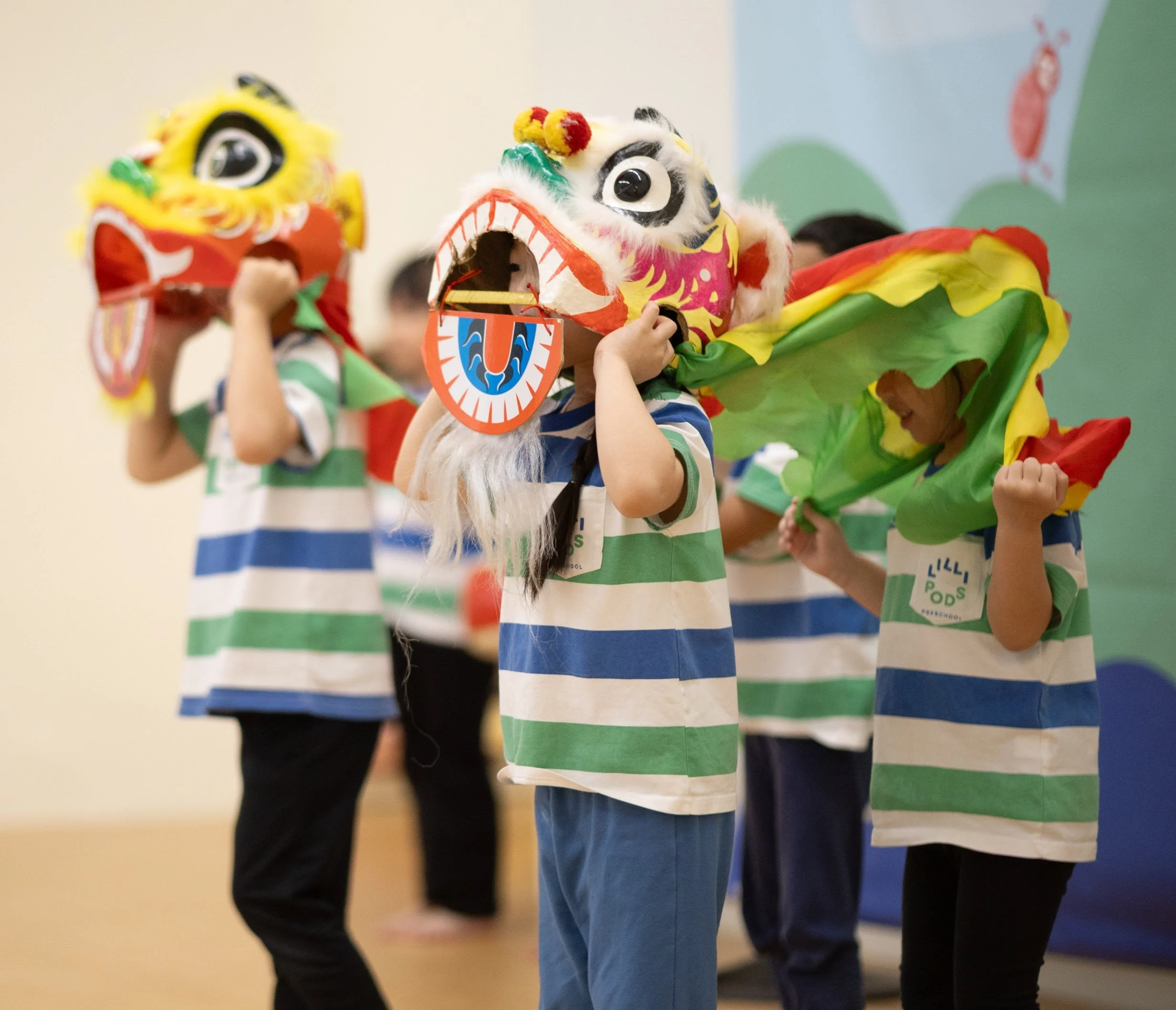
Children explore colour, texture, sound, rhythm and movement through painting, collage, music-making, dance and storytelling. These experiences may unfold in English or Chinese, while introducing traditions from Singapore and the wider world.
The focus is not on identical finished pieces. Children make choices, try different materials and develop confidence in their own ideas.

The Lillipods Bilingual Approach
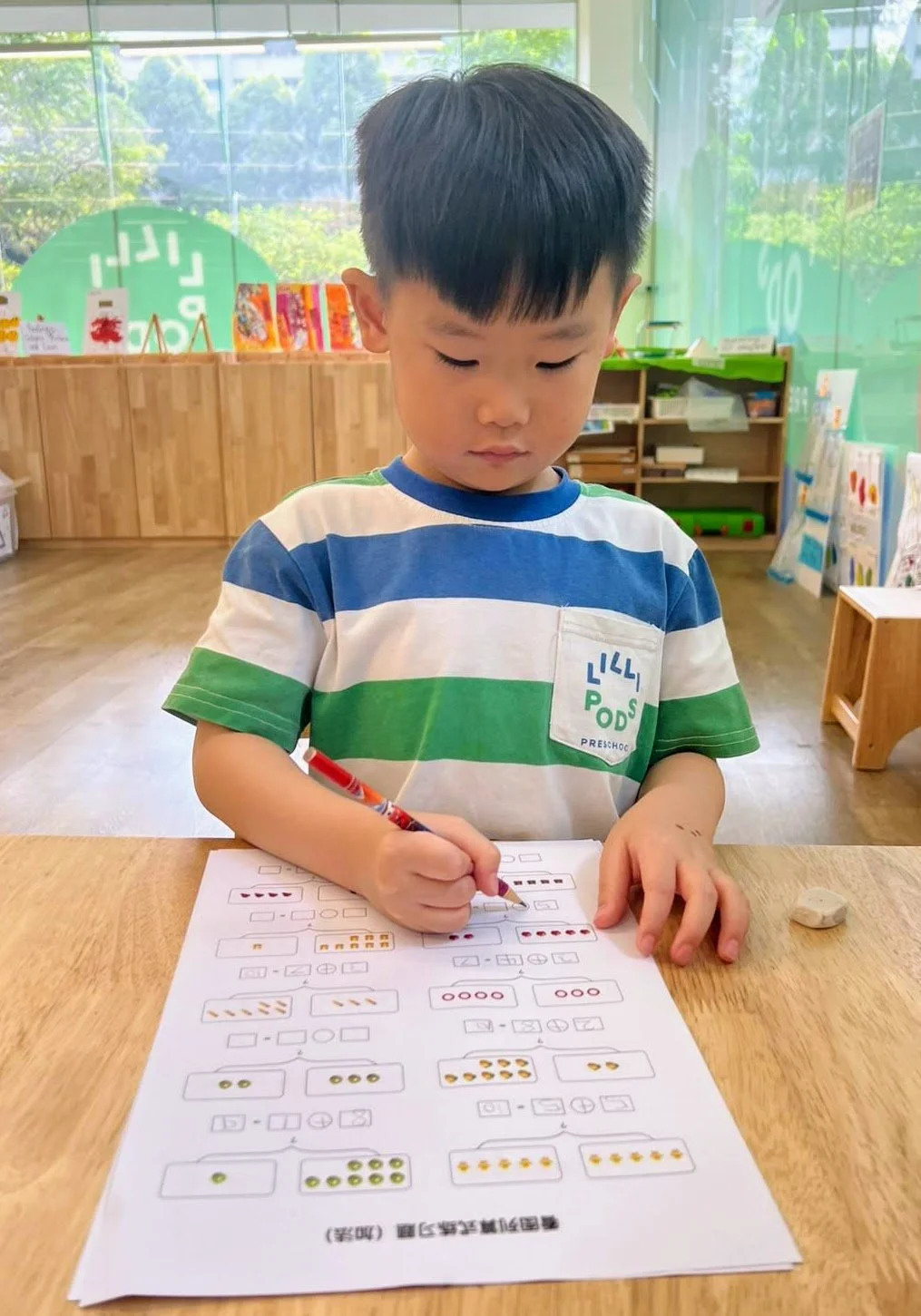
At Lillipods, bilingual learning comes alive across the day. English and Chinese are not kept in separate corners of the timetable. Instead, children use both languages as they sing, count, move, wonder, create and talk about the world around them.
Music may be experienced in English one day and Chinese the next. Maths may invite children to count, compare and explain using Chinese vocabulary. A science walk may begin with English questions and continue with Chinese words for what children see, hear and touch. In this way, language grows through real experiences.
Teachers plan these moments with care, choosing when to introduce, model or revisit English and Chinese words and phrases. Because language is tied to real activity, children understand meaning, try new vocabulary and express fuller ideas.
This gives children a strong bilingual foundation and helps them see English and Chinese as living languages for connection, problem-solving and learning.
Prepared for Primary 1 and what comes after
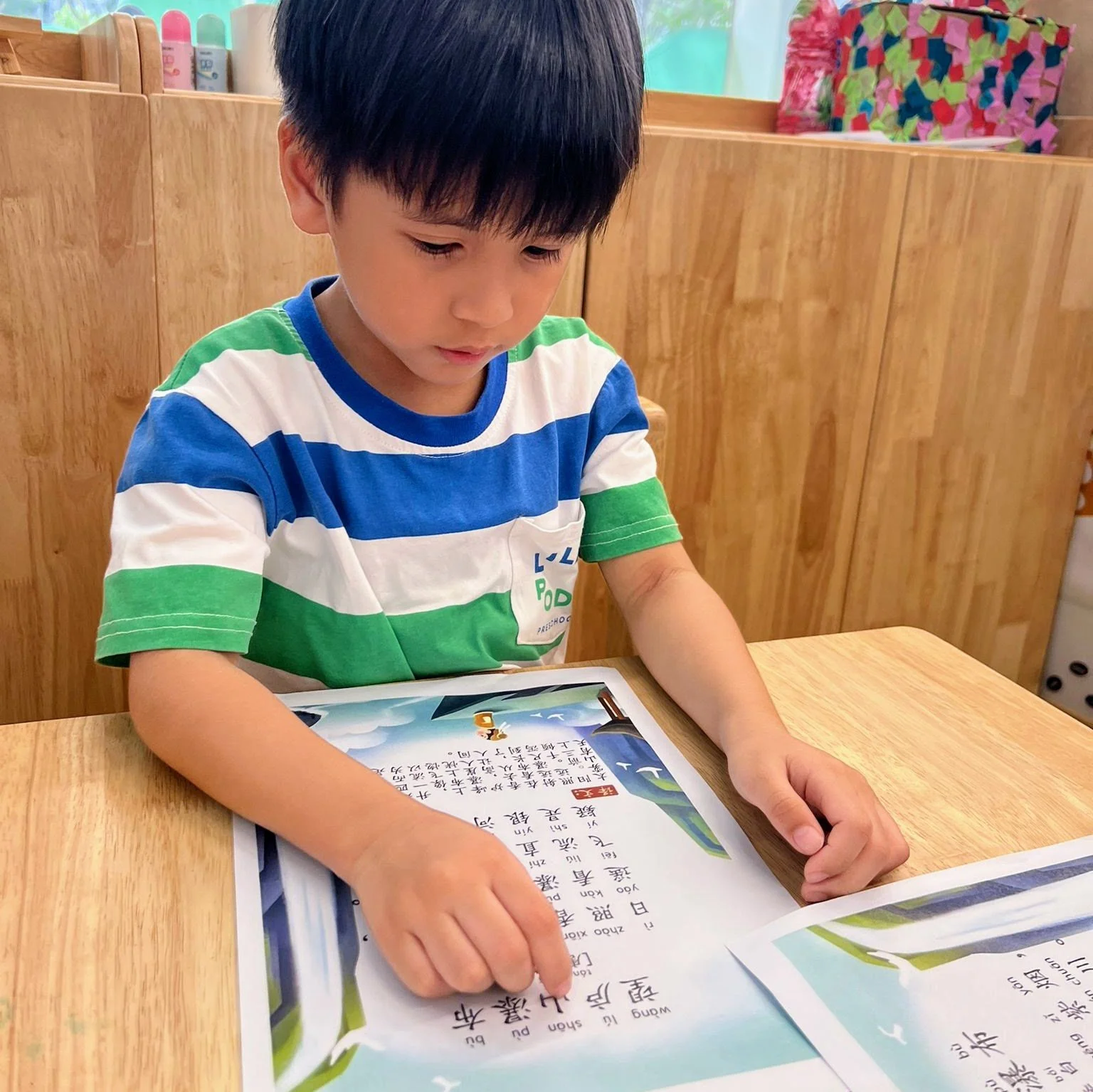
Primary 1 is an important milestone, but it is not the final goal of education.
As Artificial Intelligence make answers easier to find, children need more than remembered information. They need to ask good questions, judge what they see, communicate clearly and apply knowledge in new situations.
These abilities start early, each time a child makes a choice, explains an idea, listens to another view, works through difficulty or finds a new way forward.
We want every Lillipods child to leave with:
strong foundations in English, Chinese and numeracy;
confidence to express ideas and ask for help;
independence in everyday tasks and routines;
resilience when learning feels difficult;
the ability to work and communicate with others; and
lasting curiosity about the world.
Food and Mealtimes at Lillipods
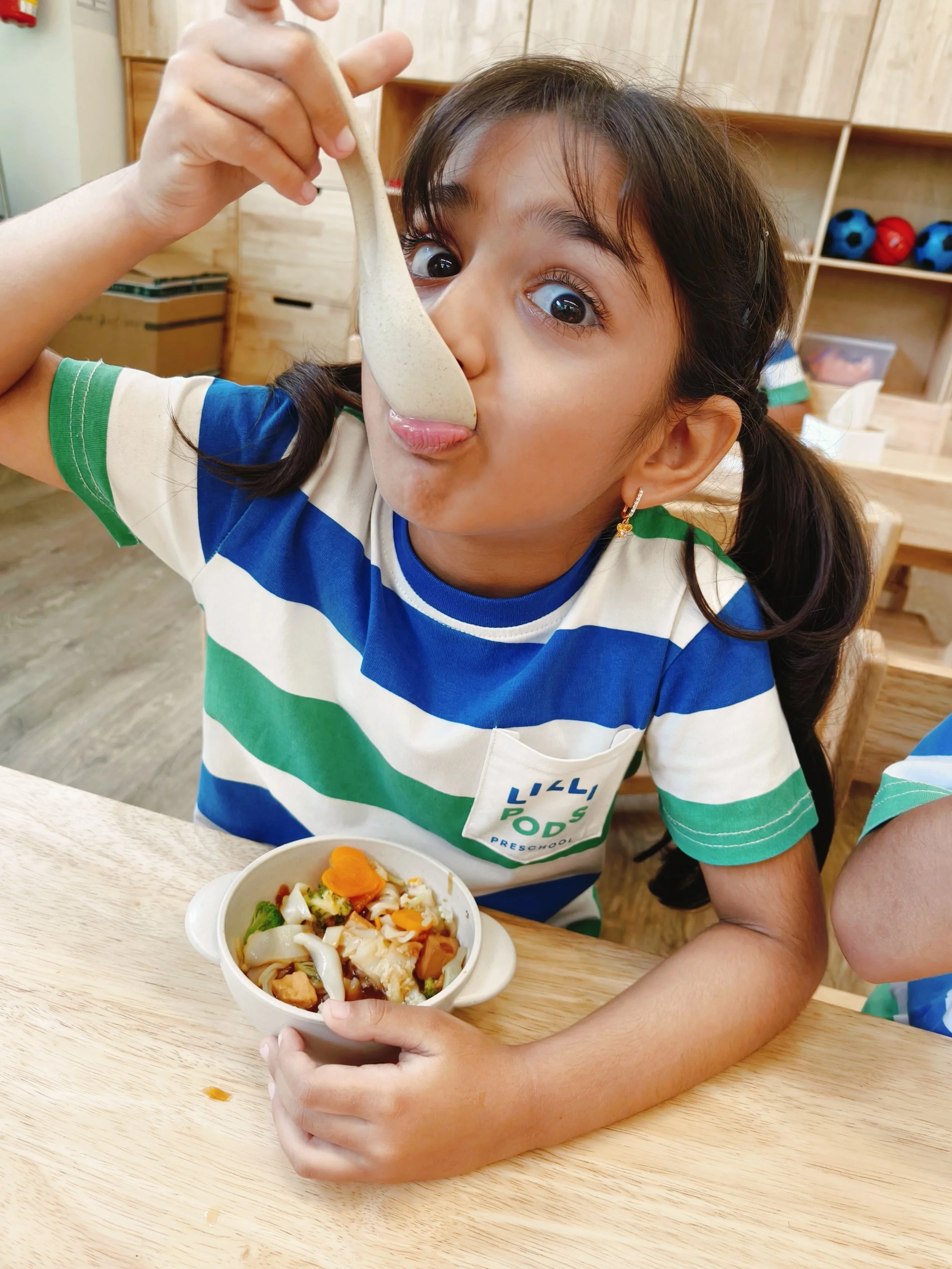
Food is one of the everyday ways we care for children at Lillipods. Meals and snacks are calm, familiar parts of the day. Children eat well, become comfortable with new tastes over time, practise independence and enjoy conversation with their friends.
Our four-week rotating menus are planned with young children in mind. Meals are prepared from scratch in each school using fresh ingredients, with attention to what children eat, how food is cooked and how new foods are introduced. This gives children variety across the month while daily meals still feel familiar and suitable for their age.
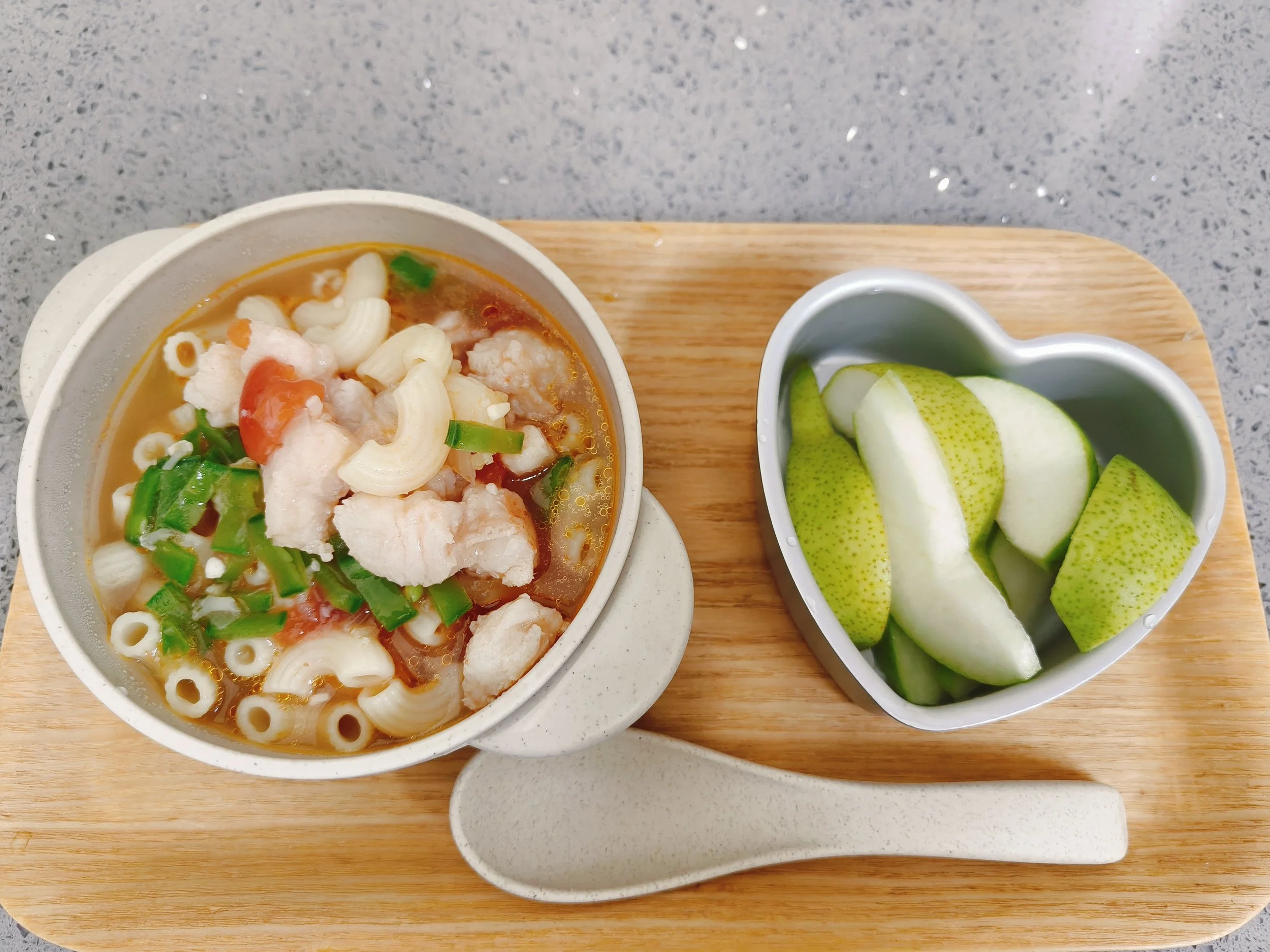
Across the month, children enjoy familiar favourites alongside gentle exposure to different tastes, colours and textures. Meals may include a blend of white and brown rice, seasonal fruit, vegetables and a changing range of dishes that help children become more comfortable with food over time.
Mealtimes are also part of learning to manage everyday routines. Children practise using utensils, serving or choosing where appropriate, clearing simple items, taking turns and enjoying conversation with friends. Teachers keep the atmosphere calm and positive, giving children encouragement as they build comfort and independence at their own pace.
We share our menus with families so you know what your child is eating. If your child has allergies, medical needs or dietary requirements, please tell us before enrolment. We will discuss the details with you carefully and confirm what the school can safely support.